Tennessee’s new drink-spiking law took effect on July 1, 2026, making spiking a felony — but it does not require a single bar to do anything. In Nashville, the response has been voluntary: the Sexual Assault Center’s Safe Bar program, now at dozens of certified venues across Tennessee, trains staff to spot trouble, and during CMA Fest it partnered with the Country Music Association to hand out drink covers. It is a useful model — and also a revealing one about where the gaps still are.
TL;DR: Tennessee’s drink-spiking law has been in effect since July 1, 2026 — it makes spiking a Class D felony but places no obligations on bars (the kit mandate was removed before passage). Nashville’s voluntary Safe Bar program fills the gap: bystander-intervention training at dozens of certified venues plus drink covers handed out during CMA Fest. Covers and training prevent; only a chemical test detects — so the most reliable protection on Broadway is still the test you bring yourself.
What Safe Bar Actually Is
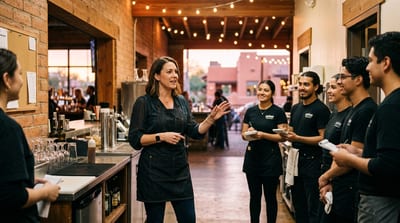
It is easy to assume “Safe Bar” means a bar that tests your drink. It does not. Safe Bar is a bystander-intervention training program: the Sexual Assault Center trains bartenders, servers, and security to recognize the signs of drink spiking, harassment, and predatory behavior, and to step in safely. Venues that complete the training are listed as Safe Bar locations, and patrons can find them through the SAC Safe Bar app.
That distinction matters. Training changes how staff behave; it does not put a detection tool in a patron’s hand. Both layers are valuable, but they solve different problems.
CMA Fest 2026: Covers, Ambassadors, and Awareness
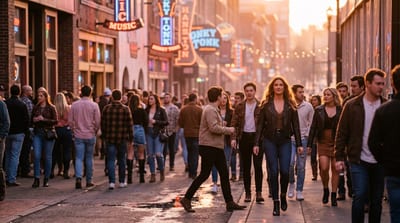
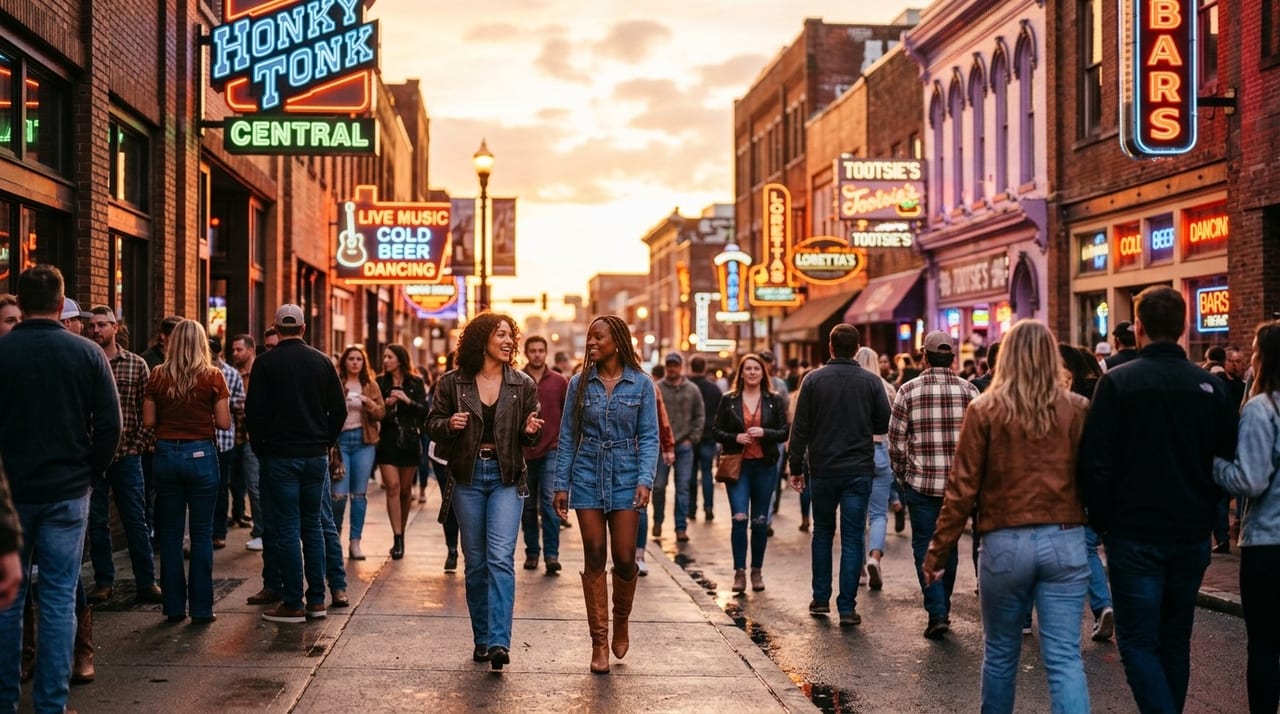
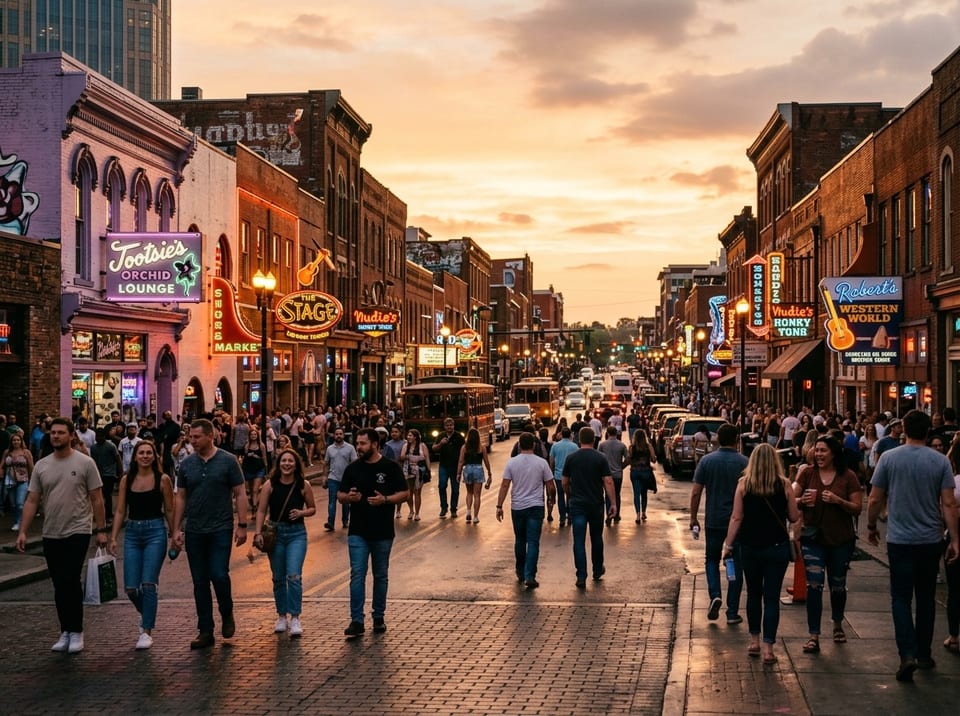
CMA Fest (June 2026) put the program in the spotlight. Across the festival, the Sexual Assault Center and the Country Music Association distributed drink covers — “stop tops,” peel-and-stick lids that go over the top of a glass to make tampering harder. The city layered on additional measures familiar from big event weekends: safety ambassadors in yellow shirts, Safe Bar–trained venues along Broadway, and groups like Red Frogs helping people stay hydrated and keep phones charged.
The timing was deliberate. With Tennessee’s felony law weeks away from its July 1 effective date and Broadway drawing huge crowds, organizers wanted prevention visible where the risk is highest.
The Gap: Prevention vs. Detection
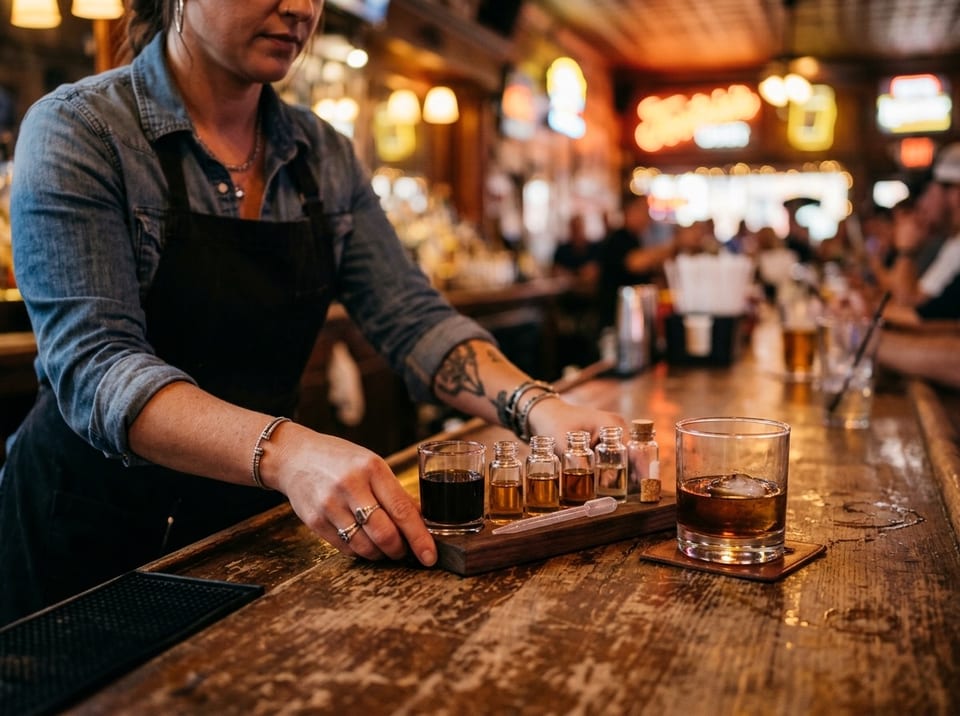
Here is the honest limitation. A drink cover makes it harder to spike a drink, and trained staff are likelier to notice predatory behavior — but neither one can tell you whether the drink in your hand has already been spiked. Covers prevent; training watches; only a chemical test detects.
That is the layer Safe Bar deliberately does not include, and it is exactly where personal testing fits. We break down the difference in detail in our guide to physical covers versus chemical testing — the short version is that they are complements, not substitutes. The strongest personal routine uses all three: keep a cover on your drink, stay with people who are watching out for you, and test if anything feels off.
Why It’s Voluntary: Tennessee’s Law Has No Mandate
Nashville’s reliance on a voluntary program is not an accident — it reflects what the state legislature actually passed. Tennessee’s law — in effect since July 1, 2026 — makes spiking a drink, food, or medication a Class D felony, but lawmakers removed the original requirement that bars stock testing devices before the bill was signed. The result is strong penalties for offenders and no obligations for venues. For the full breakdown, see our article on Tennessee’s signed drink-spiking law.
In other words, in Tennessee, whether a venue offers any prevention tools at all is entirely up to the venue. Programs like Safe Bar are how that gap gets filled — and they only reach the bars that choose to participate. Venues that want to add detection to covers and staff training can request a quote for drink test strips for bars and venues.
How to Protect Yourself on Broadway
Because no Tennessee bar is required to provide testing, the most reliable protection is the one you bring. A few practical habits:
- Keep your drink covered and in sight. A stop top or any cover reduces opportunity.
- Go out with people who watch out for you — the buddy system is still the most effective single measure.
- Test if something feels off. If a drink tastes strange or you feel suddenly disoriented, a rapid strip can check it in seconds.
- Know where to get help. If you suspect you have been drugged, seek medical attention immediately and call 911.
Personal kits such as DrinkCheck drink spiking test strips detect 6+ substances — including GHB, ketamine, scopolamine, cocaine, methamphetamine, and amphetamine — in about 15 seconds, discreet enough for a crowded Broadway bar, and available whether or not the venue is part of Safe Bar. For the wider picture of which states and cities actually mandate testing, see our drink-spiking laws by state guide.
This article is for informational purposes only and does not constitute medical or legal advice. If you suspect you or someone else has been drugged, seek medical attention immediately. In an emergency, call 911.
Update 2026-07-10: Tennessee’s drink-spiking felony law is now in effect (since July 1, 2026); wording updated accordingly. Venue figures for the Safe Bar program updated to reflect current public counts.
Last updated: July 10, 2026.