Introduction
If you or someone you know suddenly feels unusually drowsy, dizzy, or disoriented after having a drink, you may be dealing with drink spiking. Know the 5 warning signs of a spiked drink and understand how GHB, Ketamine, and Scopolamine affect the body—it can help you act faster. Knowing what to do in those critical moments can make a real difference. This guide gives you a clear, step-by-step action plan—whether you’re the person affected, a friend, or a bystander.
TL;DR: If you suspect drink spiking: stay together and don’t let anyone leave with strangers, alert security or staff immediately, and call 911 if the person is unconscious or in distress. Go to the ER quickly: GHB is detectable for up to about 6 hours in blood and up to about 12 hours in urine. Keep the drink as evidence. Don’t let fear of getting in trouble stop you from calling for help; Good Samaritan protections vary by state.
Step 1: Stay Together—Don’t Leave Anyone Alone
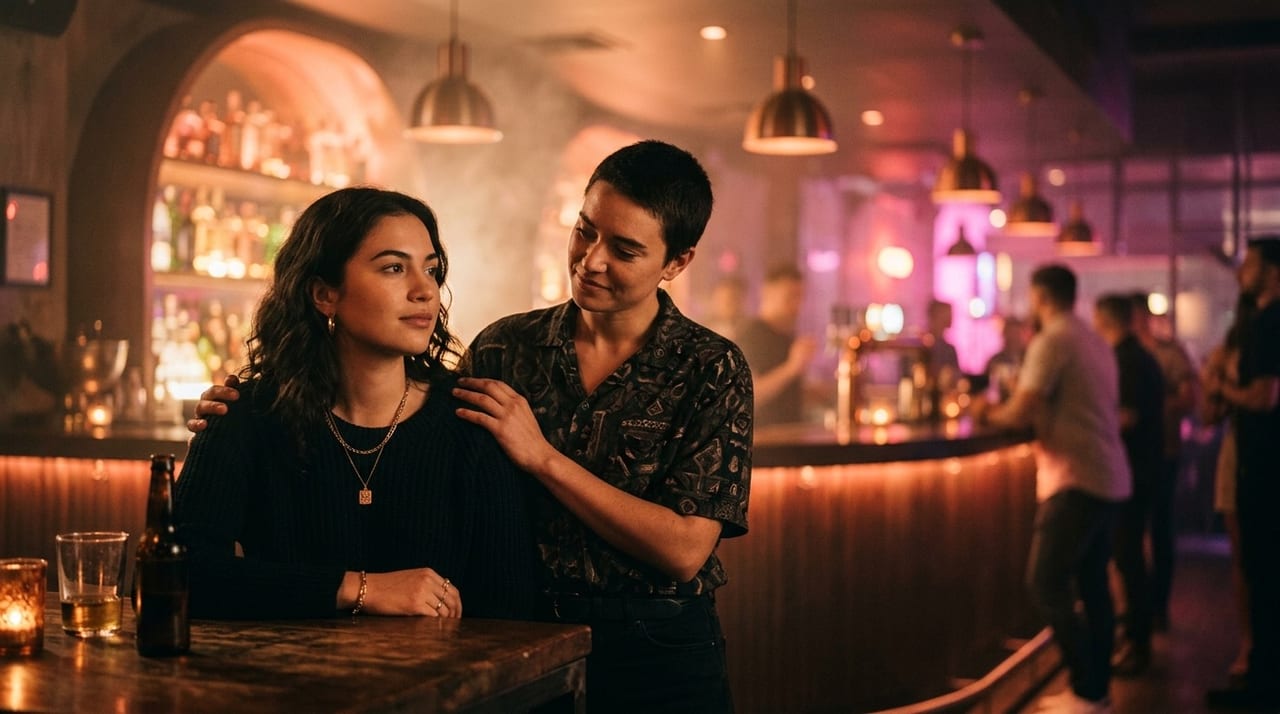
If you’re a friend or bystander: The single most important thing is to stay with the person. Do not let them leave with someone they don’t know well, even if that person claims to be a friend or helper. Predators often pose as Good Samaritans to isolate victims.
If you’re the one affected: Try to stay with people you trust. If you’re alone, go to a well-lit, public area and ask a staff member or security for help. Say clearly: “I think my drink was spiked. I need help.”
Action: Keep the person in a safe, visible place. Do not let them go to the bathroom alone or wander off.
Step 2: Alert Security or Management Immediately
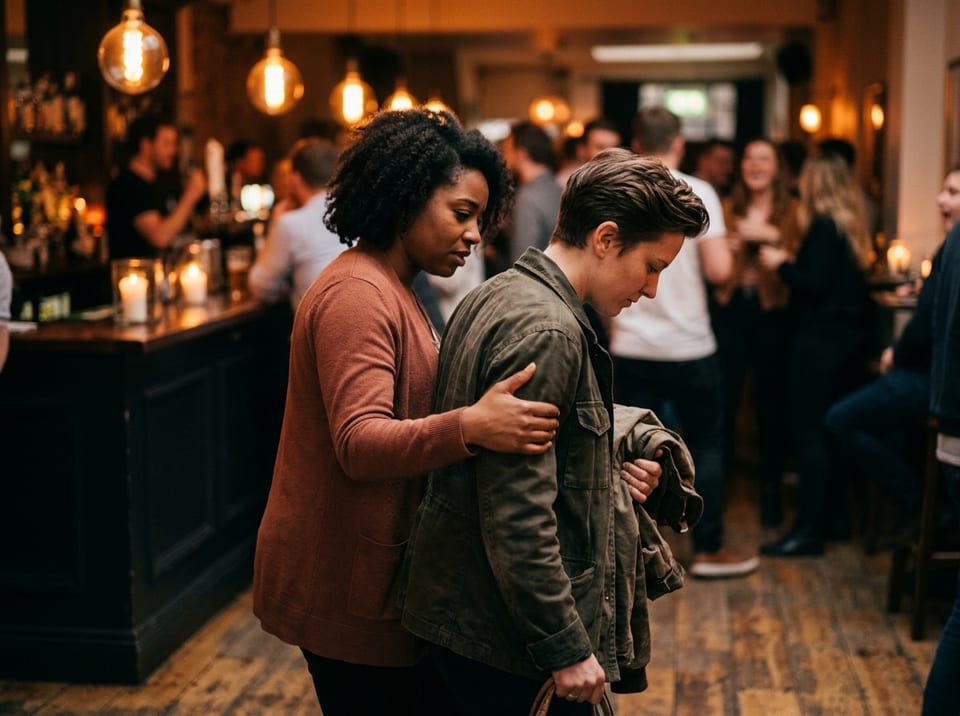
Tell bar staff, bouncers, or management what’s happening. They can:
- Call 911 or escort you to a safe place
- Preserve the drink (or what’s left of it) for testing
- Monitor who leaves the venue
- Provide a private space if the person needs to sit down
Say something like: “We think our friend’s drink was spiked. She’s not okay. We need help.” Be direct so staff can act quickly and coordinate with emergency services.
Step 3: Call 911 or Go to the Emergency Room
When to call 911: If the person is unconscious, having trouble breathing, seizing, or in obvious distress, call 911 right away. Outside the US, use the local emergency number. In Europe, 112 is the emergency number, available everywhere in the EU, free of charge.
When to go to the ER: Even if symptoms seem mild, getting medical care is important. Some substances used in drink spiking—especially GHB—can cause serious complications. Doctors can monitor vital signs and, if needed, run tests.
Why timing matters: GHB is detectable for up to about 6 hours in blood and up to about 12 hours in urine (EUDA thematic paper on GHB; bff guidance, in German). The HHS Office on Women’s Health advises asking the hospital to take a urine sample to test for date rape drugs, because some leave the body very quickly. You don’t have to decide about a police report first: the Department of Justice’s national protocol for medical forensic exams calls for toxicology samples to be collected as soon as possible, even if the patient is undecided about reporting.
Step 4: Don’t Let Fear Stop You—Good Samaritan Laws
Getting medical help comes first. Most states have Good Samaritan laws that protect people from certain criminal penalties when they call 911 about a drug overdose (US GAO, 2021). What these laws cover differs from state to state, and campus amnesty policies vary too, so don’t rely on a general promise that you cannot face any consequences.
Don’t let that uncertainty stop you from calling 911. Saving a life or preventing serious harm comes first.
Step 5: Preserve Evidence and Get Support
Get help first. If you can do so safely, keep the remaining drink and its container instead of pouring it away. Montana State University Police’s October 14, 2026 alert puts reaching safety and getting medical attention before preserving any remaining drink or evidence. Keep any used test strip too and tell police or medical staff about the result. Do not delay medical help to collect evidence.
If you think you may have been sexually assaulted, you can get support whether or not you report to police. The RAINN National Sexual Assault Hotline at 800.656.HOPE (4673) is free, confidential and available 24/7.
Summary: Quick Reference
| Situation | Action |
|---|---|
| Someone seems off after a drink | Stay with them. Don’t let them leave with strangers. |
| You need help | Tell security or staff. Call 911 if it’s an emergency. |
| You want a drug test | Go to the ER quickly and ask for a urine test. GHB is detectable for up to about 6 hours in blood and up to about 12 hours in urine. |
| You’re underage and scared to call | Call anyway. Getting help comes first; Good Samaritan protections vary by state. |
| You need someone to talk to | RAINN: 800.656.HOPE (4673), free and confidential, 24/7. |
| A drink was left unattended | Don’t drink it. Order a fresh one and keep it in sight. |
Planning Ahead: Testing and the Buddy System
The best time to act is before anyone is showing symptoms. Arrive together, check in with each other during the night and leave together. If a friend leaves their drink unattended or something seems off, don’t drink it.
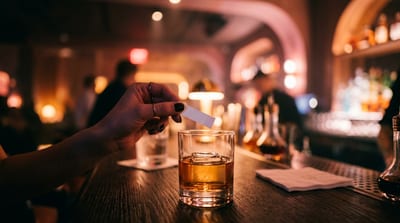
A test strip adds a check before you drink. DrinkCheck test strips detect 6+ substances (including GHB, ketamine, scopolamine, cocaine, methamphetamine and amphetamine) in about 15 seconds. They’re portable, discreet, and clinically validated. If the result is positive, you can:
- Stop drinking immediately; if safe, keep the remaining drink and its container as potential evidence
- Stay together and leave the venue if needed
- Inform security and management
- Seek medical attention if anyone has already consumed from it
A negative result does not guarantee that a drink is safe, and a test never replaces the steps above when someone feels unwell. How a drink test differs from a hospital test is explained in roofie test: testing your drink vs. a medical test.
This article is for informational purposes only and does not constitute medical or legal advice. If you suspect you or someone else has been drugged, seek medical attention immediately. In an emergency, call 911.
Updated October 21, 2026: the evidence-preservation steps and FAQ now follow the October 14 alert from Montana State University Police. Medical help comes first.